

You’ve probably wondered why playing with friends on different consoles still feels like jumping through hoops.
Gaming should be about connecting—not about whether you’re holding a PlayStation, Xbox, or a keyboard and mouse. But for years, platform boundaries have kept players locked into separate ecosystems.
That’s changing—and fast.
In this article, we break down exactly how cross-platform gaming is becoming the new normal. We dive into the tech that’s making it work—game engine tweaks, network protocols, and matchmaking systems—and explain the strategies game developers are using to open the gates.
We’ve analyzed the current architecture behind major titles, tracked industry-wide shifts, and decoded how these systems finally let players compete and cooperate across devices.
If you came here looking to understand how cross-platform gaming works—and why it’s reshaping multiplayer experiences—you’re in the right place.
The Core Concept: What is True Cross-Platform Play?
Ever tried to squad up with a friend, only to find out they’re on a different console? (Cue dramatic exit music.) That’s where true cross-platform play comes in—a game-changer in the literal sense.
Let’s break the terms down:
- Cross-play means you’re playing with others, regardless of platform. Xbox with PlayStation? PC with Switch? Yes, finally.
- Cross-progression lets you carry your progress—unlocks, levels, cosmetic flexes—across platforms.
- Cross-buy? Buy it once, OWN IT EVERYWHERE. That means if you switch devices, your wallet doesn’t suffer twice.
From Walled Gardens to Open Doors
Remember when Xbox Live and PlayStation Network were separate digital fortresses? That “no sharing” mindset started cracking when mega-hits like Fortnite proved players WANT to connect across ecosystems. (Money talks, and billions listened.)
What’s In It For You?
- Bigger player pools = faster games, always.
- No more console wars—just wins with friends.
- Freedom to switch platforms without losing progress (or your sanity).
Pro Tip: Always check if a game supports cross-platform gaming before purchase—it can future-proof your fun.
The Technical Backbone: How Interconnection Actually Works
Let’s face it—multiplayer gaming has evolved far beyond local LAN parties and clunky matchmaking limited by platform walls. Today’s big win? Seamless interconnection that lets players team up (or face off) regardless of whether they’re on PlayStation, Xbox, PC, or even Switch. But how does all this magic work under the hood?
First, unified account systems play a key role. Think of platform-agnostic IDs like your Activision ID or Epic Games Account as your gamer passport. These overlay your native platform accounts (like PSN IDs or Xbox Gamertags), allowing you to carry your identity, friend lists, and in some cases, your progression across platforms. It’s player-centric design at its best—because frustration shouldn’t start at the login screen.
Then come APIs and middleware, which act as digital diplomats. Developers leverage tools like Epic Online Services or Microsoft PlayFab to help disparate systems (Sony’s, Microsoft’s, and Nintendo’s) speak the same language. It’s not exactly plug-and-play, but close—these tools handle account syncing, matchmaking, leaderboards, and more. (Think of it like using Google Translate, but for network code.)
Here’s the real glue: server architecture. Rather than relying on peer-to-peer connections, where one player’s console hosts the match (with all the lag risks that come with it), developers use dedicated servers. Everyone connects to that neutral middle ground—less “who’s hosting?” and more “let’s just play.”
The benefit? Players get smoother, more stable experiences with fewer technical hiccups and less platform segregation. This is the tech that makes cross-platform gaming feel like one shared universe instead of walled gardens. Pro tip: Games that support this infrastructure tend to have longer lifespans and healthier online communities.
The Player’s Perspective: Balancing Fairness and Fun
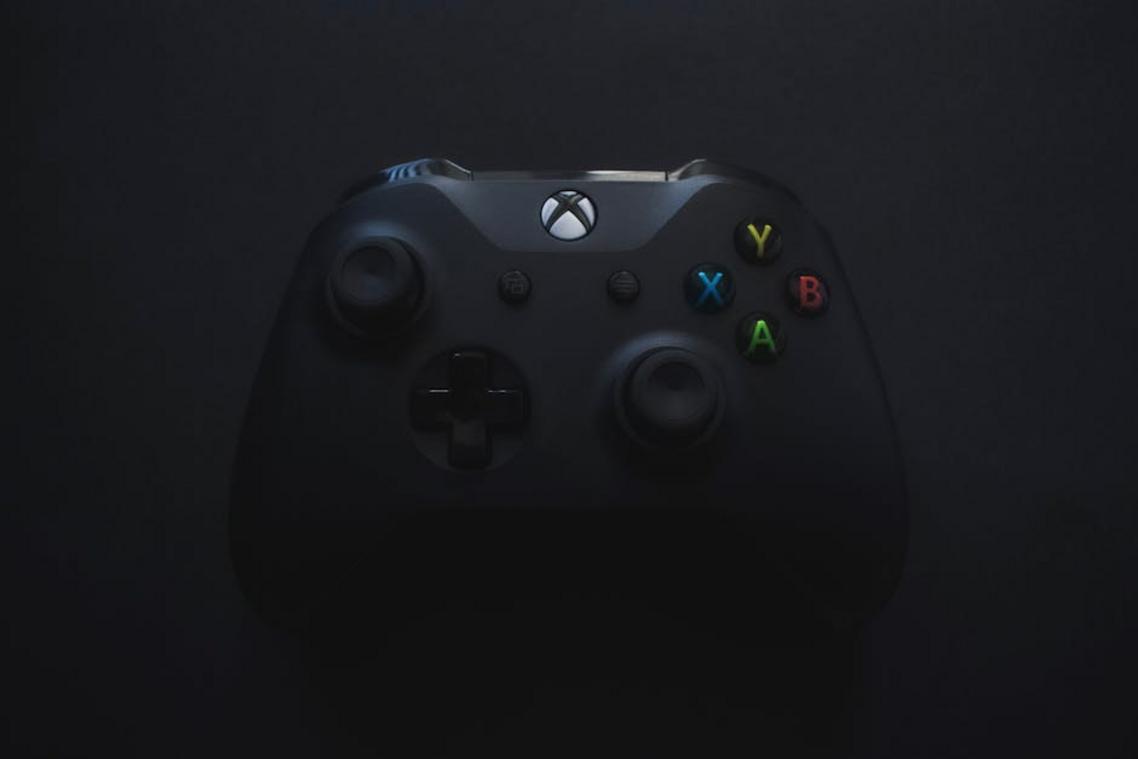
Let’s talk about the elephant in the server room—controller vs. mouse & keyboard.
Some insist this debate is overblown. “The skill gap matters more than the hardware,” they say. And sure, pro controller players do exist. (Looking at you, Halo veterans.) But let’s not pretend the inputs are created equal. A mouse allows for pixel-perfect reflex shots. Analog sticks? Less so.
Developers try to bridge this with aim assist and input-based matchmaking—basically sorting lobbies by the gear you’re using. But here’s the counter: some claim aim assist is too strong, especially in games like Call of Duty. Meanwhile, keyboard loyalists argue it doesn’t go far enough. So who’s right?
Probably both. That’s the balancing act—fairness vs. fun. Aim assist isn’t about giving one side an edge. It’s about syncing two totally different control methods for a shared experience. (Think of it like merging highways from different planets.)
But hardware disparity throws another wrench in the works. A console locked at 30 FPS is no match for a souped-up PC running 144 FPS and ultra-low latency. Is that fair? Nope. Even in cross-platform gaming, input balance means little if the screen literally can’t keep up.
Developers are responding with performance-based matchmaking and settings parity—like capping frame rates or disabling certain effects in competitive modes. But not everyone loves that. (Nobody likes having their new RTX 4090 nerfed to 2014 standards.)
Pro tip: Opt for opt-in/opt-out systems when available. They let you choose who to compete with—and when. Sometimes, sticking to your own platform just feels better.
Want more context? Look at mergers and acquisitions reshaping the gaming ecosystem. It all connects.
The Developer’s Challenge: Why Isn’t Every Game Cross-Play?
Honestly, it’s baffling how many great titles still don’t support cross-platform gaming in 2026. As a player, it feels like a no-brainer. But as someone who’s followed the back-end grind of game development? I get why it’s not everywhere yet.
Let’s start with the cost and complexity. Creating and maintaining synchronized servers, cross-account systems, and matchmaking that works across ecosystems isn’t cheap—or easy. (Pro tip: indie devs often don’t have the bandwidth to support this, even if they want to.)
Then there’s the platform holder politics. Sony, Microsoft, and Nintendo all play gatekeeper in different ways. Each has its own rules, certifications, and—let’s be honest—business interests in keeping players within their walled gardens. (Remember how long it took Sony to allow Fortnite cross-play? Yeah.)
Lastly, there’s the brutal reality of patching and updates. If one platform rolls out a patch late, the entire cross-play experience can fall apart. It’s like trying to coordinate a global concert tour—logistics nightmare.
So while we’d love to see universal cross-play, it’s not just a switch devs can flick.
I’ve seen it happen time and time again.
Gamers invest in a console, build a network of friends, only to find themselves walled off from others who made a different hardware choice. That kind of fragmentation used to be the norm—and for players, it was endlessly frustrating.
But the demand for cross-platform gaming changed everything. Developers listened. Through smarter infrastructure, unified player accounts, and dedicated servers, they’ve created a digital bridge between once-separate ecosystems.
You came here wondering if a more connected multiplayer future was even possible. Now you know—it already exists.
A More Connected Gaming Future
This isn’t just a technical leap. It’s a shift in how we experience games—together.
Next time you’re choosing a multiplayer title, check for cross-platform gaming support. It ensures you’re not leaving friends behind when switching devices, and it connects you to a global player base.
We’ve seen what works. We’ve helped track the evolution. Now it’s your move.
Look for cross-platform gaming. Play without limits. Keep your squad together—no matter what system you’re on.