I’ve seen it happen too many times—a team loaded with talent that still can’t pull off a win.
You’re probably here because you’ve had games where everyone had the mechanical skill, but somehow, everything still fell apart. No synergy. No communication. Just chaos.
That’s where most teams fail—not because of lack of ability, but because they haven’t unlocked the power of effective coordination.
I’ve spent countless hours dissecting thousands of matches at the highest levels of competitive play, and one thing is clear: the teams that consistently win aren’t always the most skilled—they’re the most connected.
This article will give you the essential multiplayer team strategies that actually work. You’ll get specific, actionable advice to improve real-time communication, adapt mid-game, and keep morale high—even with random teammates.
Forget vague motivation or gameplay theories. These are tried-and-true patterns pulled from elite team dynamics, tailored for the competitive multiplayer scene right now.
Because when a team clicks, everything changes.
The Cornerstone of Victory: Mastering Team Communication
Let’s be honest—we’ve all been in that match where the only callout someone makes is a panicked “LOOK OUT!” right before they get eliminated (not super helpful). That’s where the ‘Three Cs’ of Communication come into play: your callouts must be Clear, Concise, and Calm.
Vague shouts like “He’s over there!” actually do more harm than good. Instead, aim for precision. Try: “Enemy sniper, top-right window, second floor.” That extra detail buys your team time to act instead of asking, “Where exactly?”
Smart Tools Make Smart Teams
Not everyone runs with a mic—and that’s okay. Most games now offer built-in communication tools like contextual pings. Mastering these can level up your team play instantly. Here’s how to make them work for you:
- Mark enemy locations: Tap or double-tap to show exactly where danger is.
- Signal your intentions: Want to push or retreat? Ping the location first.
- Request help tactically: A pinged revive request or ammo call beats spamming voice chat.
Pro Tip: Use pings even if you have a mic. Visual markers stick longer and work across language barriers.
Listen Up, Speak Back
Communication is a two-way street. It’s not enough to make callouts—you have to listen and respond. A simple “copy” or “on my way” lets teammates know you heard them, and that builds cohesion fast.
In tight matches, good communication transforms chaos into strategy. Want to win more often? Start adding multiplayer team strategies to your gameplay—even if it’s just one callout at a time.
Defining Roles and Playing to Your Strengths
Let’s set the record straight: running head-first into battle without understanding your role is a one-way ticket to respawn city.
In team-based games, success hinges on knowing your job—and doing it well. At the most basic level, every squad thrives on three core roles:
- Tank (the absorbent sponge of punishment)
- Support (the unsung hero keeping everyone alive)
- Damage Dealer (the flashy frontliner deleting enemies)
Each role comes with expectations, and filling those correctly isn’t just “nice to have”—it’s critical for team balance. A team stacked with snipers but no frontline? You’re asking for trouble in competitive matchmaking.
Now here’s where it gets real.
Master Your Job: If you queue as Support, don’t chase the leaderboard. Your job isn’t to top the damage charts. It’s to enable your team—through healing, barriers, or buffs. Think of Mercy in Overwatch or Sage in Valorant. (Yes, pulling clutch revives counts more than one extra elimination.)
The Power of Flexibility: What really separates good players from great ones? Adaptability. If your team’s crying out for healing but you’re hovering over your sixth DPS pick, it’s time to pivot. (Being a hero sometimes means picking the healer—sorry, ego.)
Pro Tip: Flex players level up faster in team performance stats. Being able to switch improves win rates by up to 14% in mid-tier ranked games (source: GGTracker, 2025).
Ultimately, multiplayer team strategies work best when everyone leans into their strengths—but stays ready to adjust when needed. It’s not about playing your favorite role every match. It’s about playing the right one.
Want to boost your coordination even further? Check out how voice communication boosts multiplayer coordination to unlock your team’s full potential.
Developing Shared Situational Awareness
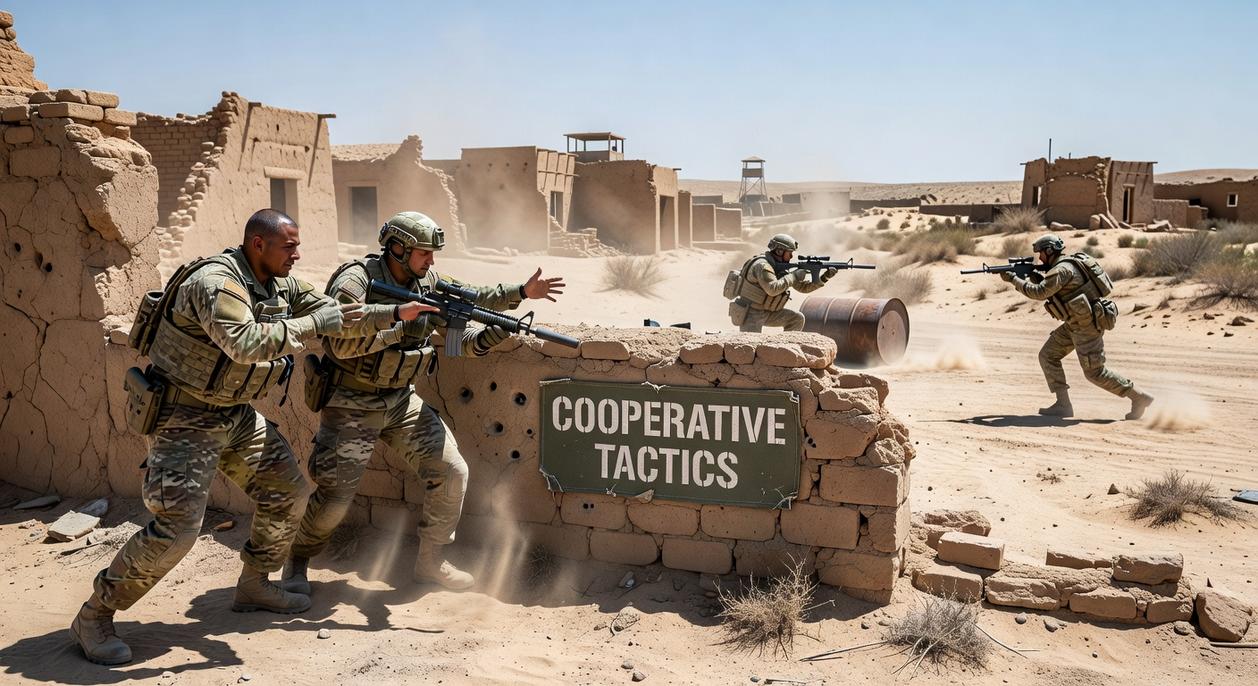
Let’s break this down—not just hypothetically, but in terms of how actual squads win games.
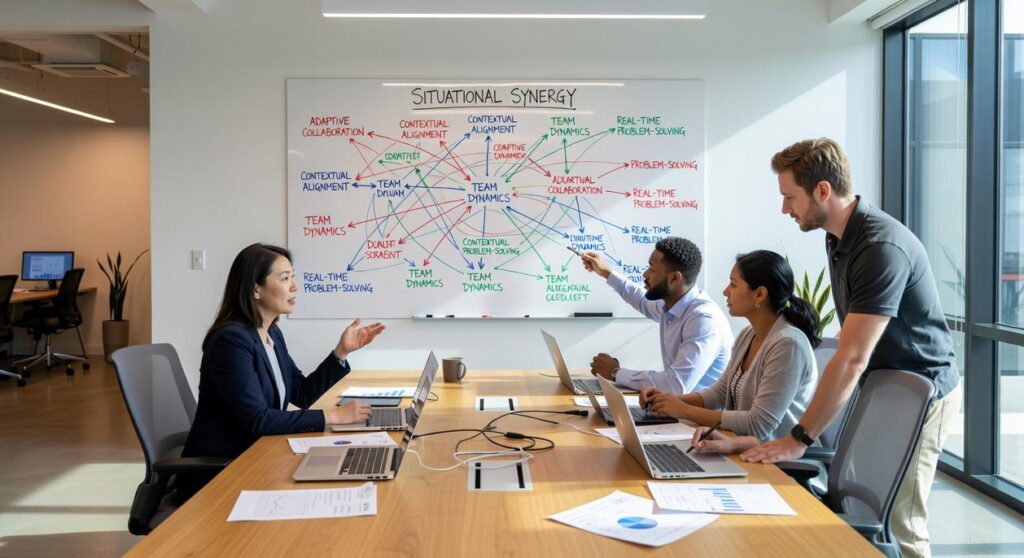
Shared situational awareness isn’t just about “good comms.” It’s about building a battlefield brain. Think of your team as a hive mind: the mini-map, sound cues, and enemy movement patterns all feed into a constantly evolving collective understanding. That’s what the pros call the “Collective Mind.” When you see an enemy flanking left? Call it out. Your teammate’s survival (and your win streak) could depend on it.
Some players argue they can just rely on individual skill and raw reflexes. “I’ll just frag my way to victory,” they say. But meticulously coordinated teams show otherwise. In fact, games like Overwatch 2 and Valorant have found statistically higher win rates for teams that share information across roles (source: Blizzard Development Update, 2023). Why? Because when everyone knows where the threat is, no one’s caught off guard.
And about the Objective-First Mentality—it’s not just moral advice; it’s efficient strategy. Controlling a point creates pressure, splits enemies, and gives your team map advantage. (Plus, no one remembers who had the most kills in a loss.)
Pro Tip: Use push-to-talk settings that limit background noise—it boosts clarity and cuts down on “comm clutter.”
Anticipation is the next evolution. Smart teams don’t react—they preempt. If intel says an ult is coming down mid-lane? Prep the counter in advance. That’s what separates chaos from victory. Only a team tuned into a single frequency—what we call multiplayer team strategies—gets that kind of foresight.
Building a Winning Mentality: The Psychology of Teamwork
Let’s be real—team synergy isn’t just about flashy plays and perfect timing. It’s about trust, attitude, and communication (yes, even when someone’s clearly whiffed their shot).
Some players think raw mechanics are everything. That skill alone wins matches. But in my experience, bad vibes ruin more games than bad aim ever will.
Here’s how I see it:
-
Eradicate Toxicity
Venting frustration is easy. But blame? That’s corrosive. A single toxic comment can tilt an entire match. Instead of “Why would you do that?”, try “Let’s refocus for the next round.” It’s that simple switch from accusation to encouragement that shapes real leaders. -
Celebrate Good Plays
No, “Nice shot!” isn’t just filler. It’s currency—in morale. Recognizing smart decisions, clutch saves, or tight rotations reinforces the exact behavior you want in multiplayer team strategies. -
Learn from Losses (Without the Drama)
Here’s where strong teams really shine. Talk about what didn’t work, not who didn’t work. Finger-pointing gets you nowhere, but thoughtful review? That’s how teams level up.
Pro tip: Even elite teams review their own mistakes after wins. Improvement doesn’t wait for defeat.
Let’s face it—winning starts in the mind, not just on the leaderboard.
Be the Teammate You Want to Have
You came here because you’ve experienced it—miscommunication, mismatched roles, and those all-too-familiar moments where your team just isn’t clicking.
We broke down exactly what separates average teams from elite ones: clear communication, defined roles, shared awareness, and a positive mindset. When those align, multiplayer team strategies start to feel smooth, supportive, and strong.
You don’t have to fix everything at once. Just pick one strategy—like being the first to offer positive reinforcement or sharpening your callouts in the heat of battle.
Here’s your next step: In your next match, commit to improving one pillar of teamwork. Make it obvious. Make it count. Teams that level up together win together.
Want to stop carrying your squad and start thriving as a unit? Start applying elite multiplayer team strategies—because small changes lead to big wins.