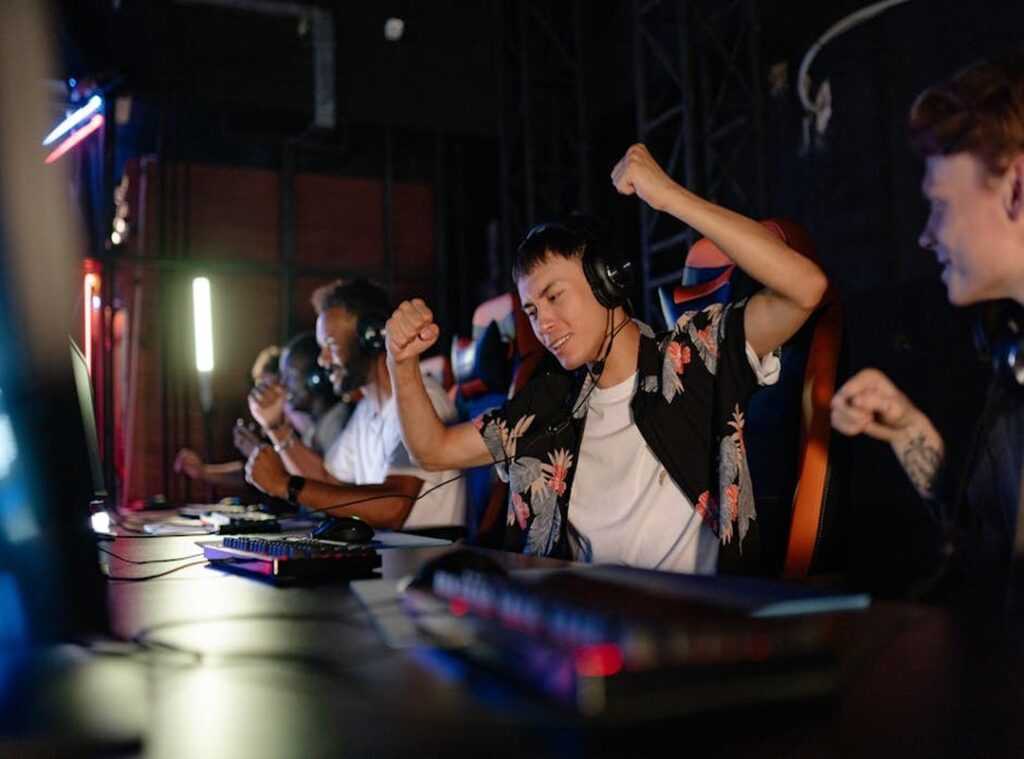
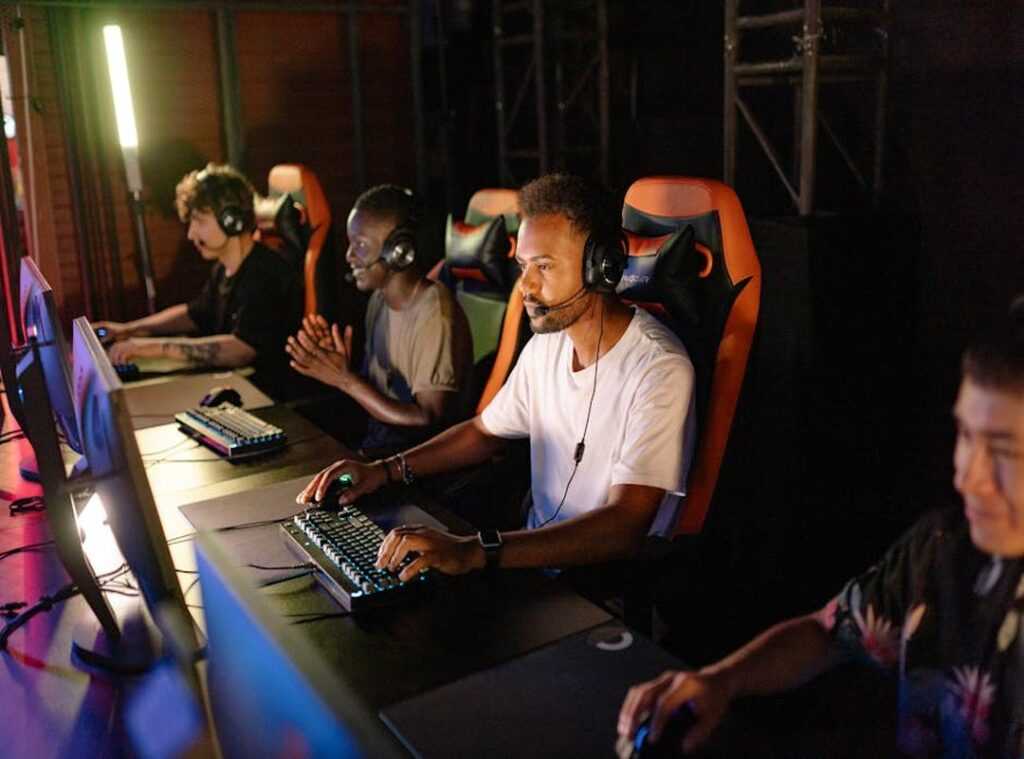
Losing a match that was winnable? Frustrating, right? It’s not always about skill.
Sometimes, it’s the lack of communication and coordination. I’ve seen it all, from random lobbies to well-oiled teams. Individual skill can only take you so far.
Consistent victories in multiplayer games hinge on mastering coop gaming team dynamics. I’ve analyzed countless hours of high-level play (and helped develop squads too).
You’re asking, “How can I improve my team’s combo and win rate?” This isn’t fluff. It’s a straightforward playbook. Trust me, this article will guide you.
Improve your game. Increase your wins. It’s all here.
The Foundation: More Than Just Aim and Abilities
Great teamwork in coop gaming team dynamics isn’t just about actions. It’s a mindset. It starts with trust and respect long before the game even loads.
Think about it. How often do we assume our teammates are just as committed and competent as we are? This idea of “Positive Assumption” can change everything.
By assuming your teammates are doing their best, you prevent toxic micromanagement. And who likes being micromanaged? No one.
It builds confidence and helps the team function better.
Let me give you a real-world example. Before the game starts, a 30-second plan huddle can make a difference. Picture this: “Okay team, let’s focus on controlling mid early,” or “Let’s prioritize their support in team fights.” Simple, right?
But effective. It aligns everyone on the same page.
Now, what happens when things go south? A bad round, a misstep. We’ve all been there.
Instead of spiraling into complaints, focus on a mental reset. Ask yourself, what can I do next to help the team? This frames failure as a team problem, not an individual one.
It’s not about pointing fingers but about finding solutions together.
Often, guides skip straight to in-game tactics, ignoring the psychology of teamwork. But this mental foundation is key for success. If you’re interested in more tips on enhancing team dynamics, check out these effective communication tips for multiplayer games.
Trust me, understanding the psyche of your team can be your secret weapon.
Clear Comms, Clean Wins: Mastering In-Game Communication
You know what’s worse than losing a match? Losing because your team was lost in a sea of chaotic chatter. the “Three C’s” come into play: Clear, Concise, and Calm. Ever shouted, “Ah!
He’s over there!” while your team scrambles in confusion? Yeah, not helpful. Instead, try saying, “Reaper.
Top-left catwalk. Half health.” See the difference? You get your point across without the drama.
Let’s talk about information vs. noise. Information is gold. It’s what helps your team make decisions.
Like enemy locations or cooldowns. But noise? That’s just clutter.
Complaints, sighs, and random comments do nothing but distract. Imagine you’re trying to listen for footsteps, but all you hear is someone whining about last night’s dinner. Annoying, right?
Now, the in-game ping system is your best friend. Honestly, it’s like a GPS for your squad. A quick ping with a “Enemy spotted” is way faster than fumbling with descriptions.
It’s precise. It’s quick. It’s effective.
If you’re not using it, you’re missing out.
“Closing the loop” on communication is key (ugh, I used that word, but it’s important here). When your in-game leader calls a play, a quick “copy” or “on my way” lets everyone know you’re on board. It’s like confirming your order at a drive-thru (you) want to be sure everyone gets what they’re expecting.
And while we’re on the subject, have you seen the guide on beyond “co-op”: a spectrum of cooperation? It dives into the details of team dynamics beyond just coop gaming. Trust me, it’s worth a read.
So, next time you’re in a heated match, remember the Three C’s, use your pings, and keep the noise down. Your team (and) your win rate (will) thank you.
Everyone Has a Job: Defining and Dominating Your Role
You ever watch a band perform? The drummer keeps the beat, the guitarist shreds, and the singer belts it out. Simple, right?
Every musician knows their role. The same goes for coop gaming team dynamics. If everyone knows their part, magic happens.
Damage dealers (DPS) take advantage of the chaos, securing objectives. Then there’s the In-Game Leader (or Shot-Caller), who guides the team like a conductor in an orchestra. Each role has its primary responsibility.
In team games, roles are like archetypes. The Initiator (or Tank) jumps in first, creating chaos and opportunity. The Support keeps the team alive, not just by healing, but by providing vision and crowd control.
But here’s the kicker: a role isn’t just about the character you pick. It’s about the job you do. A Support’s job is to let the team, not just throw out heals.
They might be the eyes and ears, or the one who roots enemies in place. It’s all about what the team needs.
Before your next match, try this: ask yourself, “What’s my most important job this round?” It forces you to think about how you fit into the team’s structure. How do roles interact? Simple: the Initiator creates space, and the Damage dealer follows up.
It’s teamwork at its finest.
Want more on this? Check out the best team strategies winning online matches. It’s all about connecting individual jobs to the team’s goal.
That’s how you dominate.
Tilt-Proof Your Squad: Managing Conflict and Bouncing Back
In competitive gaming, mistakes and disagreements are as natural as breathing. Avoiding them? Impossible.
But managing them? the magic happens. You need a system. Forget about dodging conflicts; build a way to handle them when they crash in.
The “Blame the Play, Not the Player” rule is gold. Imagine this: you’ve just lost a round. Instead of yelling, “Why did you push alone?” try, “Next time, let’s make sure we push that together.” One phrase blames, the other builds.
It’s all about constructive criticism.
Does your team have a debrief after matches? If not, start one. Keep it simple.
Ask these two questions: What’s something we did well? What can we improve next time? This system keeps everyone focused on growth.
It’s not about pointing fingers, but about getting better together.
Now, dealing with a tilting teammate can test anyone’s patience. But calm, specific phrases work wonders. “No worries, we’ll get the next one,” or, “Focus up, we can still win this,” can cool heated tempers. Ever notice how a cool head often turns things around?
It’s almost like magic.
Internal conflict is a team killer. Trust me, mastering these coop gaming team dynamics is key to success. When you use de-escalating language, you’re not just patching up wounds.
You’re equipping your team with the tools to recover and win. It’s about saving the team’s mental state and seizing a chance to turn a losing game around.
Got your own tips or horror stories on team dynamics? Share them. We’re all here to learn (and maybe laugh a little).
Teamwork: Your Secret Weapon
Tired of losing games you should have won? It’s not just about grinding mechanics. The real victory lies in mastering coop gaming team dynamics.
Poor teamwork is frustrating, but the solution is in your hands. Communication, role definition, and frustration management aren’t innate. They’re skills you can learn.
Try this: Focus on one tip from this guide. Maybe the ‘Three C’s’ of communication? Apply it in your next session.
You’ll see results. Ready to win more? Start now.
Choose a tip, and make it your focus tonight. You’ll be amazed at how quickly you level up.
 Othrian Zorvane has opinions about game engine optimization tactics. Informed ones, backed by real experience — but opinions nonetheless, and they doesn't try to disguise them as neutral observation. They thinks a lot of what gets written about Game Engine Optimization Tactics, Controller Setup and Input Hacks, Multiplayer Strategy Insights is either too cautious to be useful or too confident to be credible, and they's work tends to sit deliberately in the space between those two failure modes.
Reading Othrian's pieces, you get the sense of someone who has thought about this stuff seriously and arrived at actual conclusions — not just collected a range of perspectives and declined to pick one. That can be uncomfortable when they lands on something you disagree with. It's also why the writing is worth engaging with. Othrian isn't interested in telling people what they want to hear. They is interested in telling them what they actually thinks, with enough reasoning behind it that you can push back if you want to. That kind of intellectual honesty is rarer than it should be.
What Othrian is best at is the moment when a familiar topic reveals something unexpected — when the conventional wisdom turns out to be slightly off, or when a small shift in framing changes everything. They finds those moments consistently, which is why they's work tends to generate real discussion rather than just passive agreement.
Othrian Zorvane has opinions about game engine optimization tactics. Informed ones, backed by real experience — but opinions nonetheless, and they doesn't try to disguise them as neutral observation. They thinks a lot of what gets written about Game Engine Optimization Tactics, Controller Setup and Input Hacks, Multiplayer Strategy Insights is either too cautious to be useful or too confident to be credible, and they's work tends to sit deliberately in the space between those two failure modes.
Reading Othrian's pieces, you get the sense of someone who has thought about this stuff seriously and arrived at actual conclusions — not just collected a range of perspectives and declined to pick one. That can be uncomfortable when they lands on something you disagree with. It's also why the writing is worth engaging with. Othrian isn't interested in telling people what they want to hear. They is interested in telling them what they actually thinks, with enough reasoning behind it that you can push back if you want to. That kind of intellectual honesty is rarer than it should be.
What Othrian is best at is the moment when a familiar topic reveals something unexpected — when the conventional wisdom turns out to be slightly off, or when a small shift in framing changes everything. They finds those moments consistently, which is why they's work tends to generate real discussion rather than just passive agreement.