
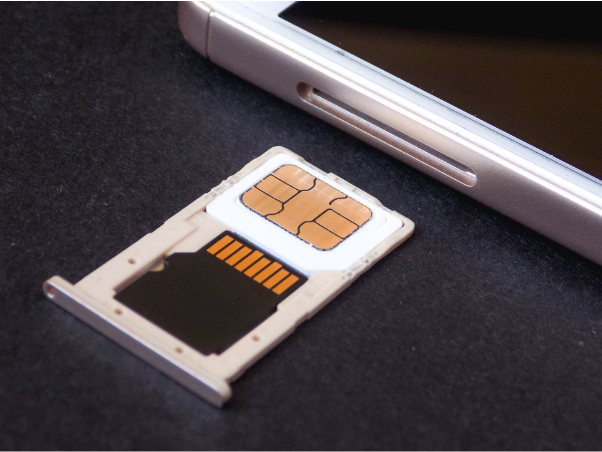
Packing your backpack for a getaway or a long trip used to involve a list of small tech accessories that could easily get lost at any moment. Between cables, universal adapters, and that tiny metal pin used to open the phone’s SIM slot, the preparation process could become quite exhausting. However, the gradual removal of physical SIM cards from the latest smartphones is transforming the way we prepare our carry-on luggage. And that’s great news!
The End of Analog Logistics in Your Backpack
Let’s face it: no one will miss keeping a tiny local carrier card inside a napkin or a passport holder during a ten-hour flight. Losing that small piece of plastic could mean being disconnected when returning home.
The transition toward fully digital phones is eliminating the stress from your packing checklist. By removing mechanical components, travel becomes smoother, cleaner, and simpler from the moment you zip up your luggage.
Traveling Light Is a Matter of Digital Efficiency
Minimalism in carry-on luggage goes far beyond packing fewer T-shirts or reducing the size of your toiletry bag. It is about simplifying every process so that your only concern is enjoying your destination.
Removing the physical SIM tray frees up space and eliminates the need to rely on phone shops at airports. You no longer have to stand in endless lines after an exhausting flight just to get a local connection.
Goodbye to Wandering Around the Arrival Airport
We have all experienced that classic scene: you land in a distant country, tired after hours of flying, and the first thing you have to do is look for an open phone shop to buy a local SIM card.
That rushed search, negotiating in another language and swapping plastic cards at the counter, is now a thing of the past. Connectivity can now be managed entirely in advance, allowing you to leave the airport and head straight to your destination without wasting a single minute.
Instant Activation: The New Standard for Travelers
The real magic behind this technological shift lies in its immediacy. You can set up your data profile before boarding the plane and have internet access the very moment the aircraft’s wheels touch the runway.
Services like Holafly allow you to activate your plan through a simple QR code, ensuring you have access to maps, transportation, and instant messaging without relying on potentially unsafe public Wi-Fi networks.
Cybersecurity in the Palm of Your Hand
Connecting to open Wi-Fi networks at airports, train stations, or cafés is a real gamble when it comes to protecting your personal and banking data. The risk of interception is particularly high in these locations.
Having your own dedicated cellular connection from the very first moment protects your email accounts, passwords, and reservations. Digital peace of mind becomes an essential part of your luggage, just like your travel documents.
Fewer Plastics and a Real Environmental Impact
Beyond individual convenience, eliminating physical SIM cards represents a significant step forward in terms of sustainability. Millions of plastic pieces, packaging materials, and adapters end up in the trash after only a few days of use.
Choosing digital profiles directly reduces electronic waste. It is a more environmentally friendly way to travel, aligned with the mindset of leaving the smallest possible footprint in the places we visit.
Your Phone as the Only Command Center
With traditional SIM slots disappearing, your phone is becoming the true command center of your journey. In a single device, you can carry your flight tickets, hotel reservations, city guides, and active data connection. This consolidation drastically reduces the number of loose items in your carry-on luggage. Fewer accessories mean fewer chances of losing something and a much more relaxed and organized travel experience.
 Othrian Zorvane has opinions about game engine optimization tactics. Informed ones, backed by real experience — but opinions nonetheless, and they doesn't try to disguise them as neutral observation. They thinks a lot of what gets written about Game Engine Optimization Tactics, Controller Setup and Input Hacks, Multiplayer Strategy Insights is either too cautious to be useful or too confident to be credible, and they's work tends to sit deliberately in the space between those two failure modes.
Reading Othrian's pieces, you get the sense of someone who has thought about this stuff seriously and arrived at actual conclusions — not just collected a range of perspectives and declined to pick one. That can be uncomfortable when they lands on something you disagree with. It's also why the writing is worth engaging with. Othrian isn't interested in telling people what they want to hear. They is interested in telling them what they actually thinks, with enough reasoning behind it that you can push back if you want to. That kind of intellectual honesty is rarer than it should be.
What Othrian is best at is the moment when a familiar topic reveals something unexpected — when the conventional wisdom turns out to be slightly off, or when a small shift in framing changes everything. They finds those moments consistently, which is why they's work tends to generate real discussion rather than just passive agreement.
Othrian Zorvane has opinions about game engine optimization tactics. Informed ones, backed by real experience — but opinions nonetheless, and they doesn't try to disguise them as neutral observation. They thinks a lot of what gets written about Game Engine Optimization Tactics, Controller Setup and Input Hacks, Multiplayer Strategy Insights is either too cautious to be useful or too confident to be credible, and they's work tends to sit deliberately in the space between those two failure modes.
Reading Othrian's pieces, you get the sense of someone who has thought about this stuff seriously and arrived at actual conclusions — not just collected a range of perspectives and declined to pick one. That can be uncomfortable when they lands on something you disagree with. It's also why the writing is worth engaging with. Othrian isn't interested in telling people what they want to hear. They is interested in telling them what they actually thinks, with enough reasoning behind it that you can push back if you want to. That kind of intellectual honesty is rarer than it should be.
What Othrian is best at is the moment when a familiar topic reveals something unexpected — when the conventional wisdom turns out to be slightly off, or when a small shift in framing changes everything. They finds those moments consistently, which is why they's work tends to generate real discussion rather than just passive agreement.