
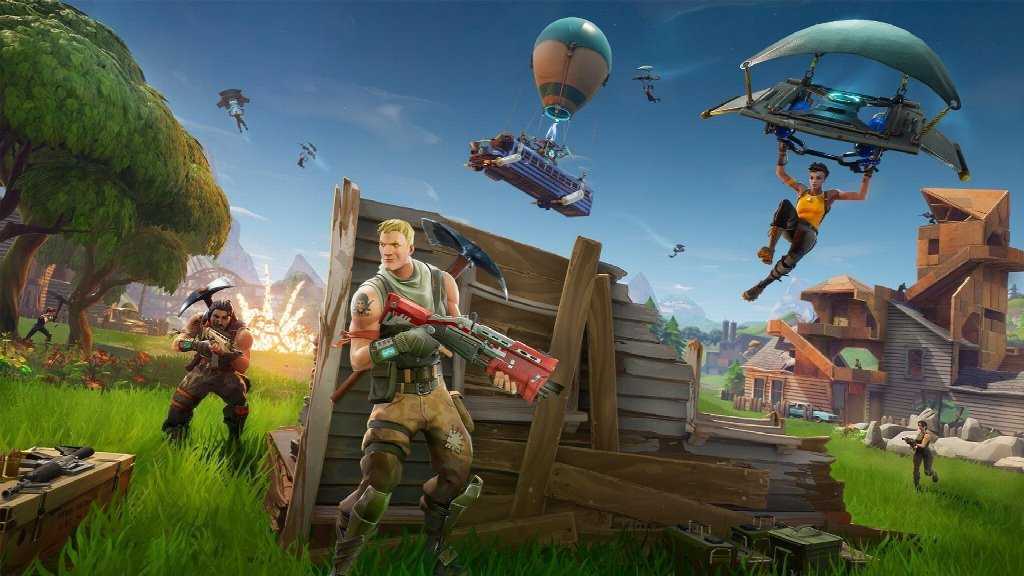
Fortnite has been “dying” since 2018 if you believe YouTube thumbnails, and yet every time Epic drops a live event, the servers buckle. The truth in 2026 is messier than either the doomers or the defenders want to admit, so let’s look at what the game actually offers right now.
The Player Numbers Tell Two Stories
Fortnite sits at over 650 million registered accounts with roughly 110 million monthly active players, numbers most developers would trade an arm for. Daily engagement did slip from its late 2024 peak, and that dip fueled a fresh round of “Fortnite is dying” content. But during live events, daily players surge to more than 44 million. A dying game does not do that. What Fortnite has become is an event-driven game: quieter between beats, enormous when it matters.
Epic Games Is Not Slowing Down
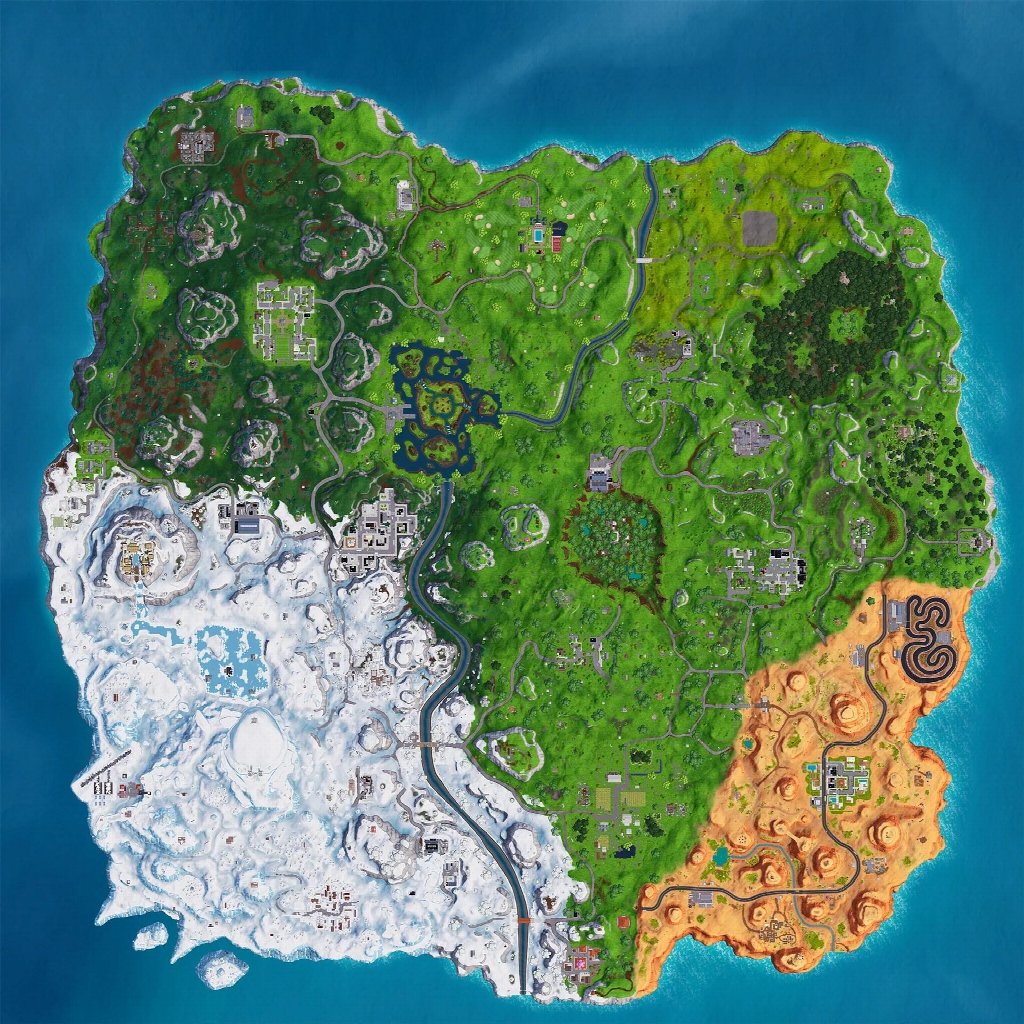
Chapter 7 opened with the Pacific Break update, moving the battle royale to a fresh island, and the current Season 3, Runners, leans into Sprites, Power Boots, and the fastest movement mechanics the game has ever had. Season 4 lands on August 20 with the Unstable live event closing things out the night before. The battle passes keep coming, the map keeps shifting, and the collaboration machine shows no sign of stopping.
The other thing critics miss: Fortnite stopped being just a battle royale years ago.
|
Mode |
What it is |
|---|---|
|
Battle Royale / Zero Build |
The classic last person standing formula |
|
OG |
The Chapter 1 map for players chasing that 2018 hype |
|
Reload |
Smaller maps, faster respawn-based fights |
|
Ballistic |
Tactical 5v5 first-person shooter |
|
LEGO Fortnite / Festival |
Survival crafting and rhythm game modes |
The Economy Around Fortnite Is Still Growing
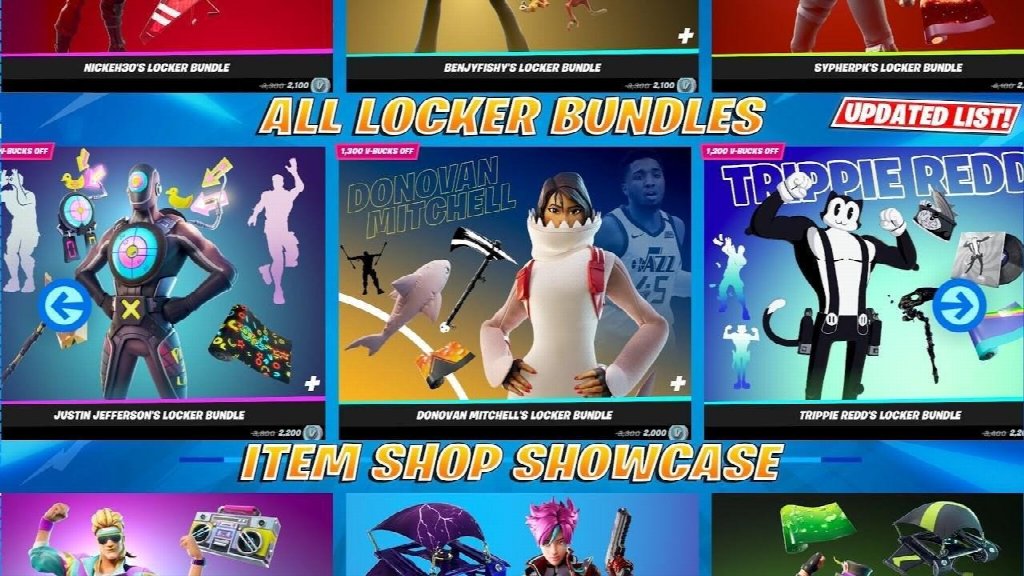
Follow the money and the “dying” argument falls apart completely. Creators building islands inside the game earned hundreds of millions through Epic’s payout program, and the game returned to the Google Play Store in 2026 after six years of legal warfare.
The cosmetic economy is just as loud. Rare skins hold real value, and the growth of Fortnite account marketplaces in Italian, English, and German shows demand for stacked lockers worldwide growing, not shrinking. Players do not spend real money on a game they expect to disappear.
So, Is Fortnite Worth Playing in 2026?
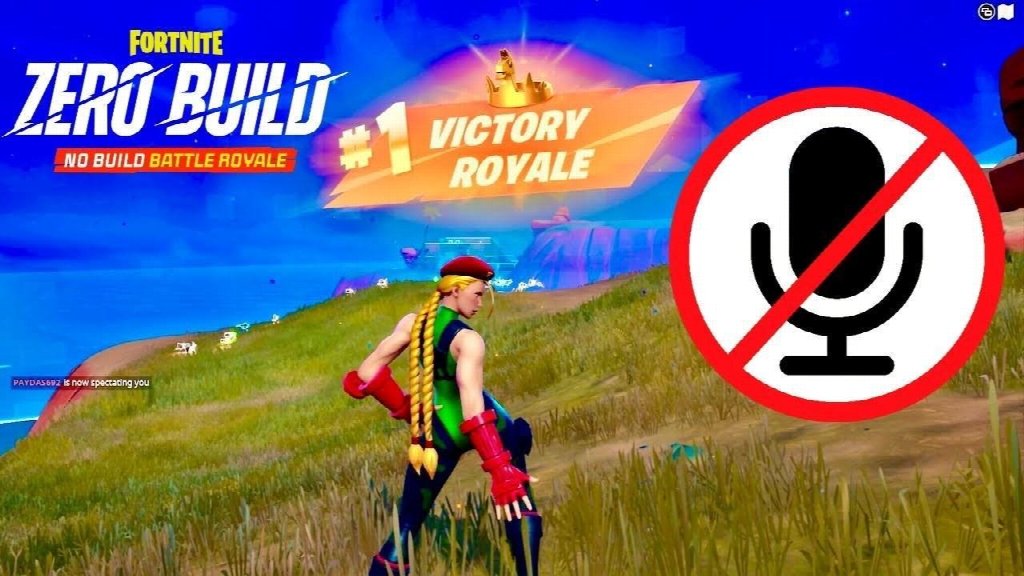
If you dropped off during Chapter 4 or 5, yes, come back and see how much has changed. The game is still free-to-play on PS5, Nintendo Switch 2, Xbox, and PC; the gunplay is sharper than ever, and Zero Build remains the best on-ramp for new players who never learned to crank 90s. If you only ever cared about the original battle royale loop and burned out on it, the OG mode is your answer, and if that doesn’t hook you, nothing here will.
Season 4 is days away, and the Unstable event is set to mess with the Zero Point yet again. Dying games don’t plan blockbuster finales. Jump in before the island changes again, because it always does.
 Othrian Zorvane has opinions about game engine optimization tactics. Informed ones, backed by real experience — but opinions nonetheless, and they doesn't try to disguise them as neutral observation. They thinks a lot of what gets written about Game Engine Optimization Tactics, Controller Setup and Input Hacks, Multiplayer Strategy Insights is either too cautious to be useful or too confident to be credible, and they's work tends to sit deliberately in the space between those two failure modes.
Reading Othrian's pieces, you get the sense of someone who has thought about this stuff seriously and arrived at actual conclusions — not just collected a range of perspectives and declined to pick one. That can be uncomfortable when they lands on something you disagree with. It's also why the writing is worth engaging with. Othrian isn't interested in telling people what they want to hear. They is interested in telling them what they actually thinks, with enough reasoning behind it that you can push back if you want to. That kind of intellectual honesty is rarer than it should be.
What Othrian is best at is the moment when a familiar topic reveals something unexpected — when the conventional wisdom turns out to be slightly off, or when a small shift in framing changes everything. They finds those moments consistently, which is why they's work tends to generate real discussion rather than just passive agreement.
Othrian Zorvane has opinions about game engine optimization tactics. Informed ones, backed by real experience — but opinions nonetheless, and they doesn't try to disguise them as neutral observation. They thinks a lot of what gets written about Game Engine Optimization Tactics, Controller Setup and Input Hacks, Multiplayer Strategy Insights is either too cautious to be useful or too confident to be credible, and they's work tends to sit deliberately in the space between those two failure modes.
Reading Othrian's pieces, you get the sense of someone who has thought about this stuff seriously and arrived at actual conclusions — not just collected a range of perspectives and declined to pick one. That can be uncomfortable when they lands on something you disagree with. It's also why the writing is worth engaging with. Othrian isn't interested in telling people what they want to hear. They is interested in telling them what they actually thinks, with enough reasoning behind it that you can push back if you want to. That kind of intellectual honesty is rarer than it should be.
What Othrian is best at is the moment when a familiar topic reveals something unexpected — when the conventional wisdom turns out to be slightly off, or when a small shift in framing changes everything. They finds those moments consistently, which is why they's work tends to generate real discussion rather than just passive agreement.