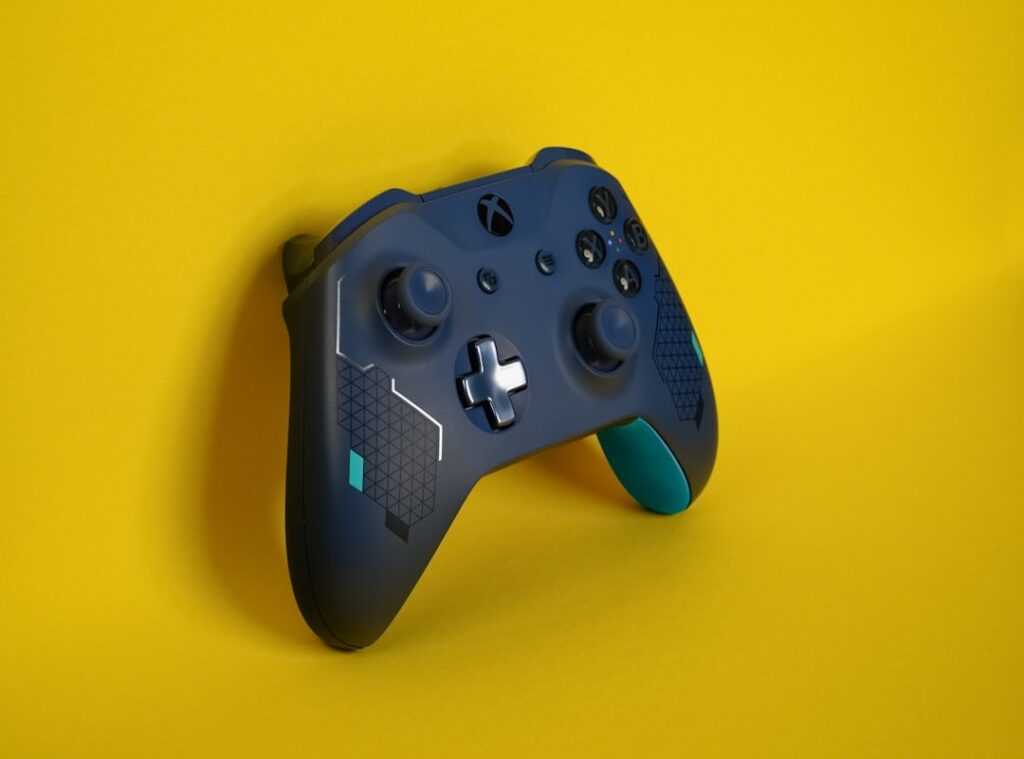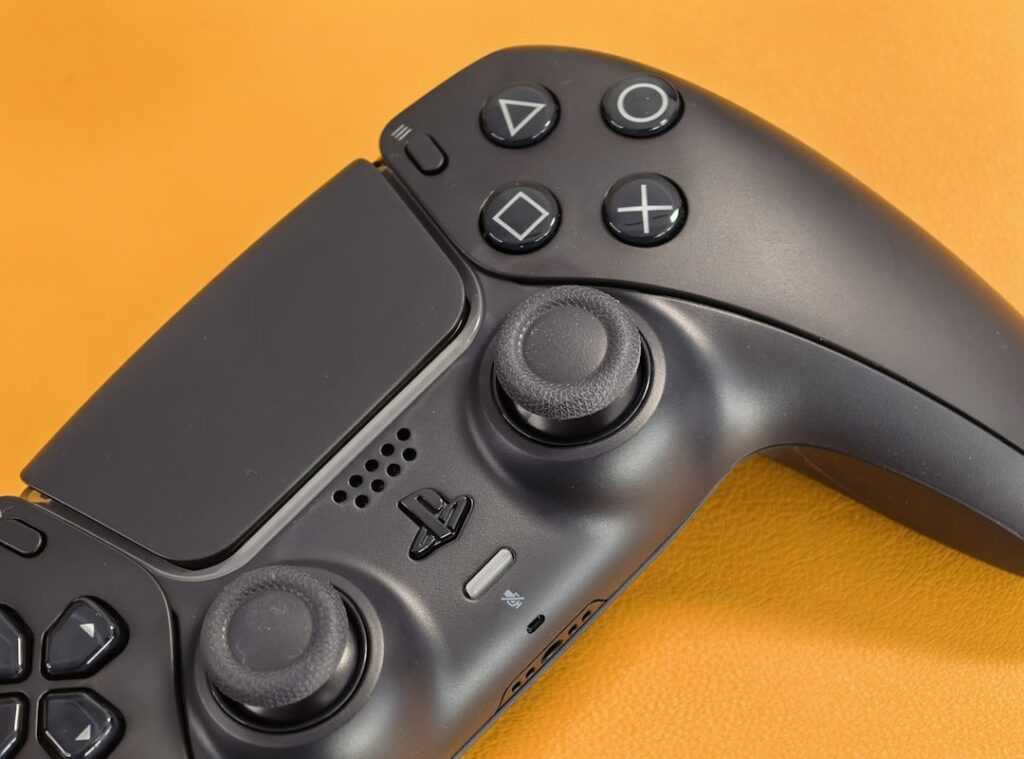
You know the drill. You’re in the middle of a heated game, lining up that perfect shot. You press the trigger, and… nothing.
A split-second delay that turns victory into frustration. This, my friend, is the dreaded ‘input lag.’ That moment when your controller feels like it’s on a different planet, not just in your hands.
I’ve been there, and so has our team. We’ve logged thousands of hours in the gaming trenches, tweaking setups until they sing. We know that every millisecond can make or break your game.
So, we’re digging into controller sensitivity settings here, and trust me, it’s a game-changer.
By the end of this guide, you’ll have an actionable checklist to turn that mushy response into instant precision. Let’s make your controller an extension of you.
Why Your Controller Feels Like It’s Stuck in Mud: The Input Lag
Ever feel like your controller is swimming through molasses? That’s input lag. It’s the time gap between your fingers tapping buttons and the action appearing on your screen.
Think of it like trying to talk with someone over a one-second satellite delay. Frustrating, right? The conversation feels jumbled and awkward.
So, what’s causing this madness? Big surprise here (it’s) not just one thing. First up, the controller itself.
It might be struggling with wireless signals or slow processing. Then there’s the system (your console or PC) trying to keep up with everything else. Finally, your display can slow things down too, thanks to its own processing.
It’s all a chain, and each link can add annoying delays.
But here’s the good news: We can tackle this mess. Start with the obvious. Controller sensitivity settings.
Tweak those first. Don’t skip the keyboard vs controller best for you debate either. Each device has its quirks.
The goal is to cut down this delay wherever you can. Attack it step by step and you’ll game on a smoother path. Feels good to be in control again, doesn’t it?
Quick Wins: Tweak Your In-Game Settings Now
Alright, to this. When your game feels off, sometimes it’s not you. It’s the settings.
First up, deadzone adjustments. Imagine your analog stick is surrounded by a bubble where nothing registers. Too big, and your controls feel sluggish.
Too small, and everything’s overly sensitive. Try lowering until you notice drift, then bump it up a notch or two. Simple, right?
Now, look at your look and aim sensitivity. While it doesn’t cause lag, it sure affects how responsive everything feels. General sensitivity controls movement, but ADS (Aim Down Sights) sensitivity is key when aiming.
Want to hit more targets? Balance both, and you’ll thank me later.
Next, aim response curves and acceleration. Here’s the deal: a “Linear” curve is like driving a car with manual transmission. It’s raw and direct.
For those who want smoothness, “Changing” might be your thing. But I suggest starting with “Linear” to really get a feel for the difference. It’s like night and day if you ask me.
By the way, ever notice how some players seem to control their games like pros? They’ve probably tinkered with their controller sensitivity settings. You should too.
Adjusting these can make even an average player feel like a gaming god.
Pro tip: Don’t get too comfortable. Settings can be a game-changer, no pun intended. Try something new and see what clicks.
Games are meant to be played, not fought with. So, go ahead. Experiment, tweak, and find that sweet spot.
Your future high scores depend on it.
Beyond the Game: Console and TV Hacks
Forget the game software for a second. Let’s talk hardware. If you’re not using your TV’s Game Mode, you’re doing it wrong.
Seriously. Game Mode is your best friend because it strips away all the unnecessary picture post-processing. You know, the stuff that makes your game lag like it’s running through molasses.
Remember motion smoothing? Yeah, turn that off. You’ll shave off milliseconds of delay, which can be a game-changer (pun intended) when you’re in the heat of a battle.
Now, let’s get into console settings. Your PS5 or Xbox Series X/S might have a ‘Performance Mode’ option. Flip that switch.
And let’s be honest, who doesn’t want that?
Why? Because prioritizing a higher frame rate like 120fps over 4K resolution reduces input lag. It means your game reacts faster to your button mashing.
Oh, and before you start fiddling with those controller sensitivity settings, check your HDMI cable and port. Using a shabby cable or the wrong port can bottleneck your setup. Always opt for the cable that came with your console and plug it into a port labeled ‘HDMI 2.1’ if you can.
It’s like giving your gaming rig a caffeine shot.
For more on how to tweak controllers for better gameplay, check out customizing controller better gameplay. It’s worth it. Trust me.
Hardware Hacks: Wired vs. Wireless and Other Gear That Matters
Let’s settle this: for 99% of players, modern wireless tech is fantastic. On PS5 or Xbox controllers, the latency difference is negligible. But if you’re aiming for absolute precision, a wired connection is technically superior.
No potential wireless interference. No fuss. It’s what you want when every millisecond counts.
Now, about those pro controllers. They aren’t just a gimmick. You get features like trigger stops, which shorten trigger pull for faster firing.
Swappable thumbsticks give a better grip and control, making a real difference in high-stakes play. Ever tried one? If not, you’re missing out on a game-changer.
Clean it regularly. Seriously, how much grime can one controller collect?
Don’t forget maintenance. Dust and grime can mess up your controller sensitivity settings. A dirty controller doesn’t just feel off (it) impedes thumbstick and button movement.
Here’s a pro tip: keep a microfiber cloth handy. Wipe it down after those intense gaming sessions. It’ll keep things crisp and responsive.
And who doesn’t want that?
In competitive gaming, every advantage counts. So, wired or wireless, pro or standard, keep your gear in top shape. You’ll thank me later.
For PC Players Only: Advanced Tuning for a Competitive Edge
Alright, PC gamers, let’s get serious. You want every advantage, right? Understanding polling rate is your first step.
It’s how often your PC checks for input from your controller. Think of it as your controller’s heartbeat. A higher rate means smoother gameplay.
Most standard controllers poll at 250Hz. But here’s a pro tip: with tools like hidusbf, you can overclock them to 1000Hz. Yes, it’s as cool as it sounds.
Now, let’s talk about system settings. Ever heard of NVIDIA Reflex Low Latency Mode or AMD Anti-Lag? These goodies reduce input lag.
If your GPU supports them, let these features ASAP. They cut down the time between your action and seeing it on screen.
And don’t forget about controller sensitivity settings. Tweaking these can make or break your game. Do you really want to lose because of a sluggish setup?
Didn’t think so.
Unleash Your Gaming Potential
Ever felt like your gear’s sabotaging your wins? You’re not alone. It stings when input lag ruins your game.
But you’ve got the tools now. By tweaking controller sensitivity settings, optimizing hardware, and making smart system adjustments, you’ve minimized lag. Your controller’s now a precision instrument.
So, why wait? Don’t just sit there. Apply these settings and experience the difference in your next match.
You don’t have to be stuck in lag hell forever. Take action. Feel the immediate improvement.
Trust me, the wins will follow. Call it your secret weapon. Go dominate.
 Othrian Zorvane has opinions about game engine optimization tactics. Informed ones, backed by real experience — but opinions nonetheless, and they doesn't try to disguise them as neutral observation. They thinks a lot of what gets written about Game Engine Optimization Tactics, Controller Setup and Input Hacks, Multiplayer Strategy Insights is either too cautious to be useful or too confident to be credible, and they's work tends to sit deliberately in the space between those two failure modes.
Reading Othrian's pieces, you get the sense of someone who has thought about this stuff seriously and arrived at actual conclusions — not just collected a range of perspectives and declined to pick one. That can be uncomfortable when they lands on something you disagree with. It's also why the writing is worth engaging with. Othrian isn't interested in telling people what they want to hear. They is interested in telling them what they actually thinks, with enough reasoning behind it that you can push back if you want to. That kind of intellectual honesty is rarer than it should be.
What Othrian is best at is the moment when a familiar topic reveals something unexpected — when the conventional wisdom turns out to be slightly off, or when a small shift in framing changes everything. They finds those moments consistently, which is why they's work tends to generate real discussion rather than just passive agreement.
Othrian Zorvane has opinions about game engine optimization tactics. Informed ones, backed by real experience — but opinions nonetheless, and they doesn't try to disguise them as neutral observation. They thinks a lot of what gets written about Game Engine Optimization Tactics, Controller Setup and Input Hacks, Multiplayer Strategy Insights is either too cautious to be useful or too confident to be credible, and they's work tends to sit deliberately in the space between those two failure modes.
Reading Othrian's pieces, you get the sense of someone who has thought about this stuff seriously and arrived at actual conclusions — not just collected a range of perspectives and declined to pick one. That can be uncomfortable when they lands on something you disagree with. It's also why the writing is worth engaging with. Othrian isn't interested in telling people what they want to hear. They is interested in telling them what they actually thinks, with enough reasoning behind it that you can push back if you want to. That kind of intellectual honesty is rarer than it should be.
What Othrian is best at is the moment when a familiar topic reveals something unexpected — when the conventional wisdom turns out to be slightly off, or when a small shift in framing changes everything. They finds those moments consistently, which is why they's work tends to generate real discussion rather than just passive agreement.